- Dependable access through the rainy season
- Crowned surface that sheds water
- Stumps and roots removed from the roadbed
- Base rock options to fit your budget
- Built for trucks, trailers and equipment
Why Rural Property Needs a Real Road
Plenty of acreage in west-central Florida is reached by a two-track path worn through pasture or woods. That works until the summer rains arrive. Then low spots hold water, sand turns soft, and a loaded truck or concrete mixer bogs down. A properly built access road gives you dependable entry for:
- Farm and ranch traffic, feed deliveries and livestock trailers
- Construction crews, well drillers and material deliveries on a future homesite
- Hunting camps and recreational land
- Emergency vehicles and fire access through wooded parcels
- Reaching back pastures, ponds and equipment barns
Clearing the Route
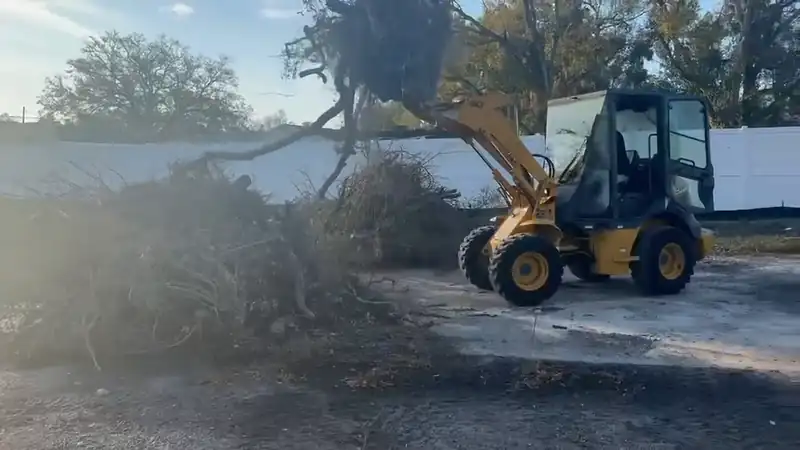
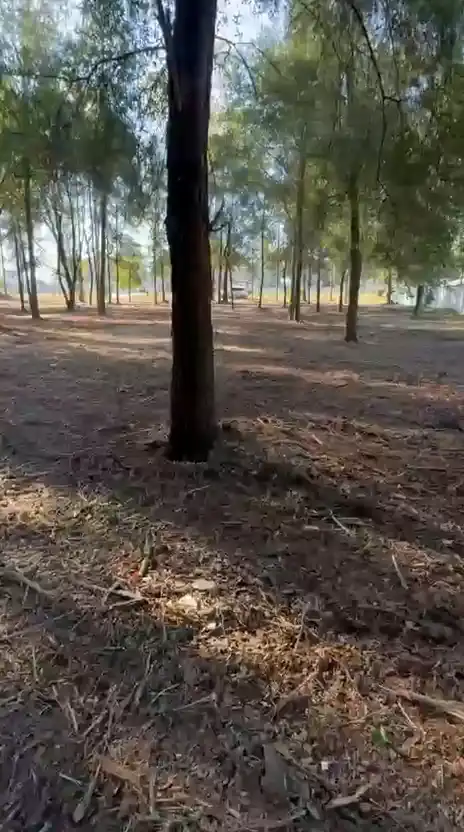
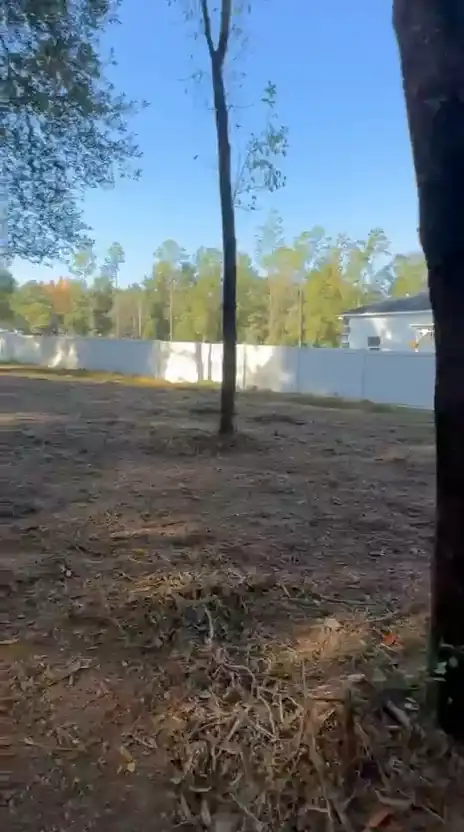
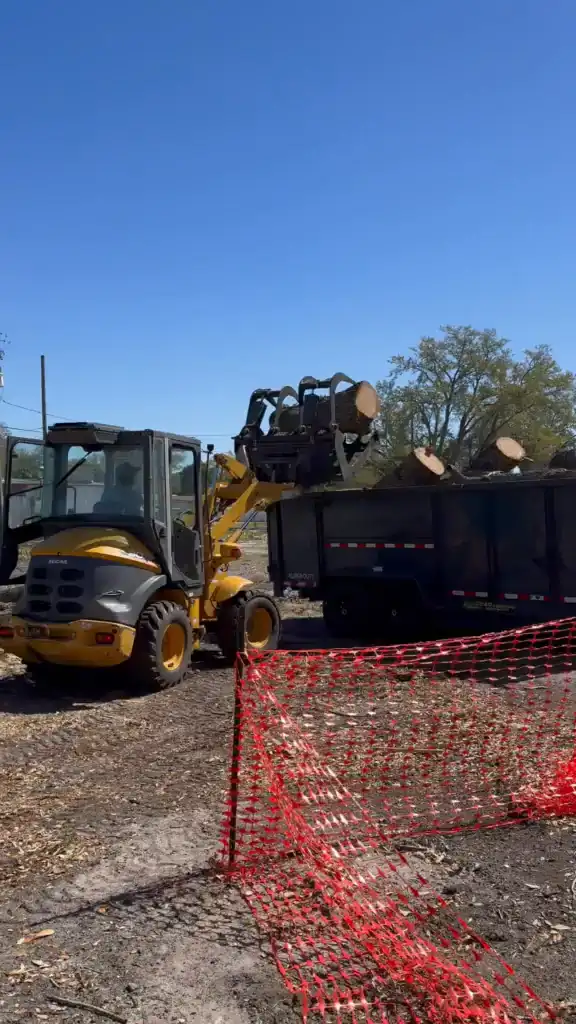
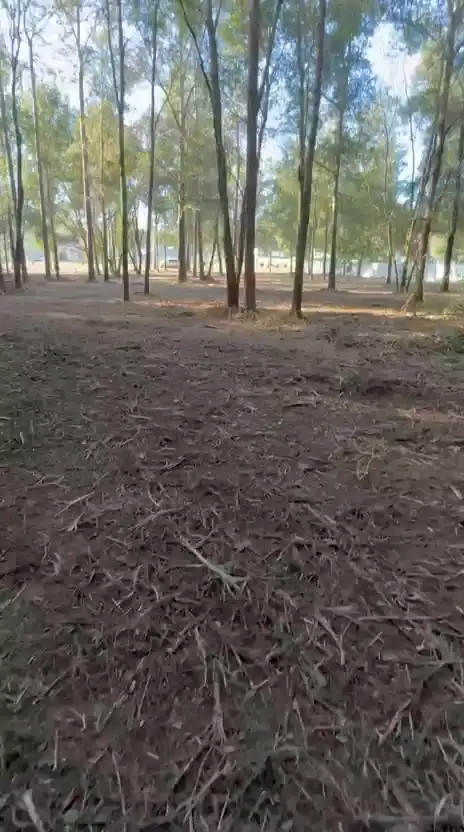
Every road starts with a clean corridor. We lay out the route with you, ideally following the highest, driest ground and avoiding unnecessary tree loss. Brush and small trees along the path are ground down with a forestry mulcher, and larger trees are felled and moved with the wheel loader and log grapple. Stumps in the roadbed must come out, because a buried stump will rot and leave a soft hole under your road. That clearing work draws on our land clearing and forestry mulching experience, so the corridor is wide enough for vehicles and overhead branches are cut back.
Grading, Crowning and Drainage
Water is the main enemy of any dirt road. Once the route is clear, we cut and fill to smooth out dips and humps, then shape the surface with a crown, meaning the center sits a little higher than the edges. Rain runs off to the sides instead of soaking into the travel lanes. Where the road crosses a natural low spot, we can shape roadside swales and leave room for a culvert so runoff passes under rather than over the road.
On larger projects, the road grading ties into land leveling for a pad or yard area at the end. If existing ditches along the route are choked, our stormwater drain cleaning work can reopen them.
Base Material Options
Not every road needs added rock. A well-crowned road on high, sandy ground can hold up for light use. Where traffic is heavier or the soil stays soft, a layer of base material makes a big difference. Common choices in our area include:
- Crushed concrete: recycled, compacts firmly and is widely available around Tampa Bay
- Shell: a traditional Florida road surface that packs down and drains well
- Limerock: hardens when compacted and is a common base under driveways
We will talk through which option fits your budget, traffic and soil during the estimate. Material is spread with our loader and compacted to form a firm driving surface.
Roads We Build Across the Region
Our road work spans roughly 100 miles from Tampa. Typical projects include ranch roads in Hardee and DeSoto counties near Wauchula, driveways to new homesites on acreage around Dade City, and hunting land trails in Hernando and Citrus counties near Inverness. Before work begins, check with your county about driveway connection permits to a public road and any environmental rules; we can explain what is usually needed.