Coastal Hudson: Canals, Salt Marsh and Older Homes
West of US-19, Hudson runs down to the Gulf through canal neighborhoods, the Hudson Beach area and the salt marsh edges that stretch north toward Aripeka. Homes here are mostly older, many raised or built close to the water, and the yards tend to hold sabal palms, live oaks shaped by the wind and a few tall pines. Salt spray and periodic flooding stress trees over time, and when a strong storm pushes water into these streets, some trees decline over the following months even if they looked fine right after.
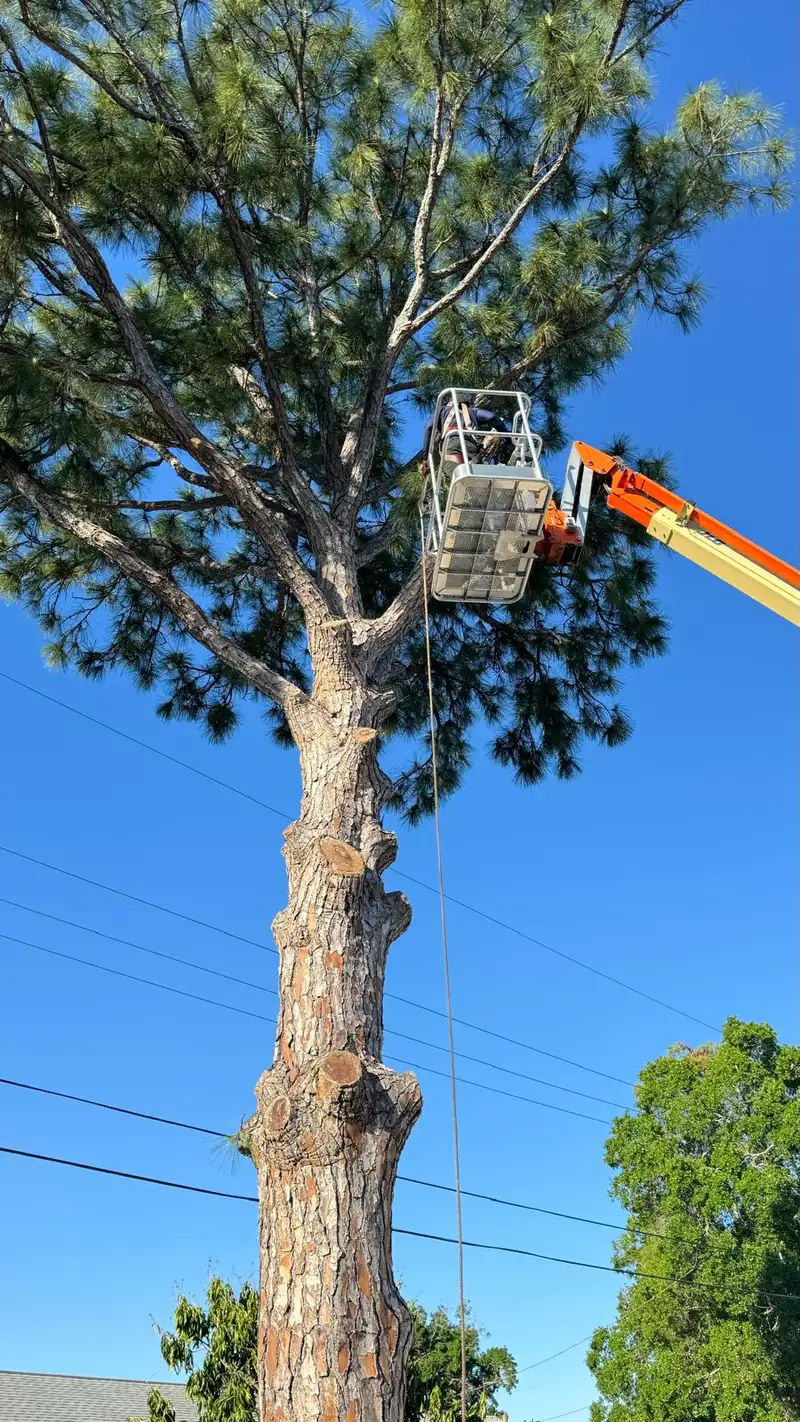
Work on these lots is about precision: tree removal in sections near docks and seawalls, palm cleanup ahead of storm season and pruning live oaks so they stay strong rather than lopsided.
Inland Hudson: Acreage, Pine Flatwoods and Room to Build
East of US-19 and Little Road, Hudson opens up. Along SR-52 and the roads north and south of it you find larger lots, small acreage, horse and hobby farms and wooded parcels of slash pine, saw palmetto, oak hammock and wet pockets with cypress. Much of this land is being split into homesites, and new houses are going up on parcels that were solid woods a few years ago.
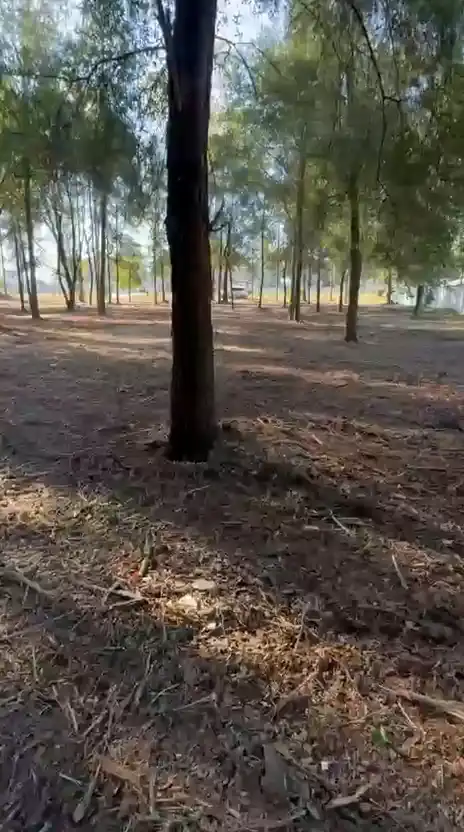
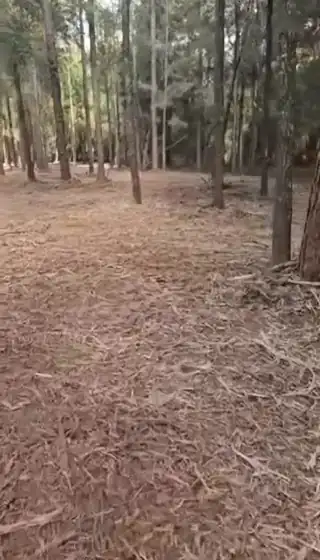
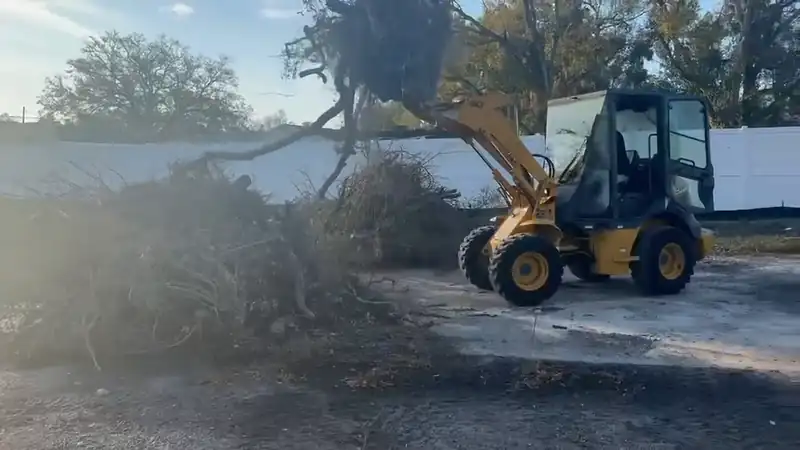
That is where our heavier equipment earns its keep. Our mulcher, mounted on a compact track loader, turns palmetto and understory into a mulch layer without hauling it all away, while the larger pines that have to come out get lifted and loaded by the grapple on our wheel loader.
Services Hudson Property Owners Ask For
- Land clearing for new homesites, pole barns, pastures and garden space on rural parcels.
- Forestry mulching to open thick palmetto and brush while leaving the trees you want to keep.
- Lot clearing for buyers and builders getting a single lot ready for a survey, a permit or a foundation.
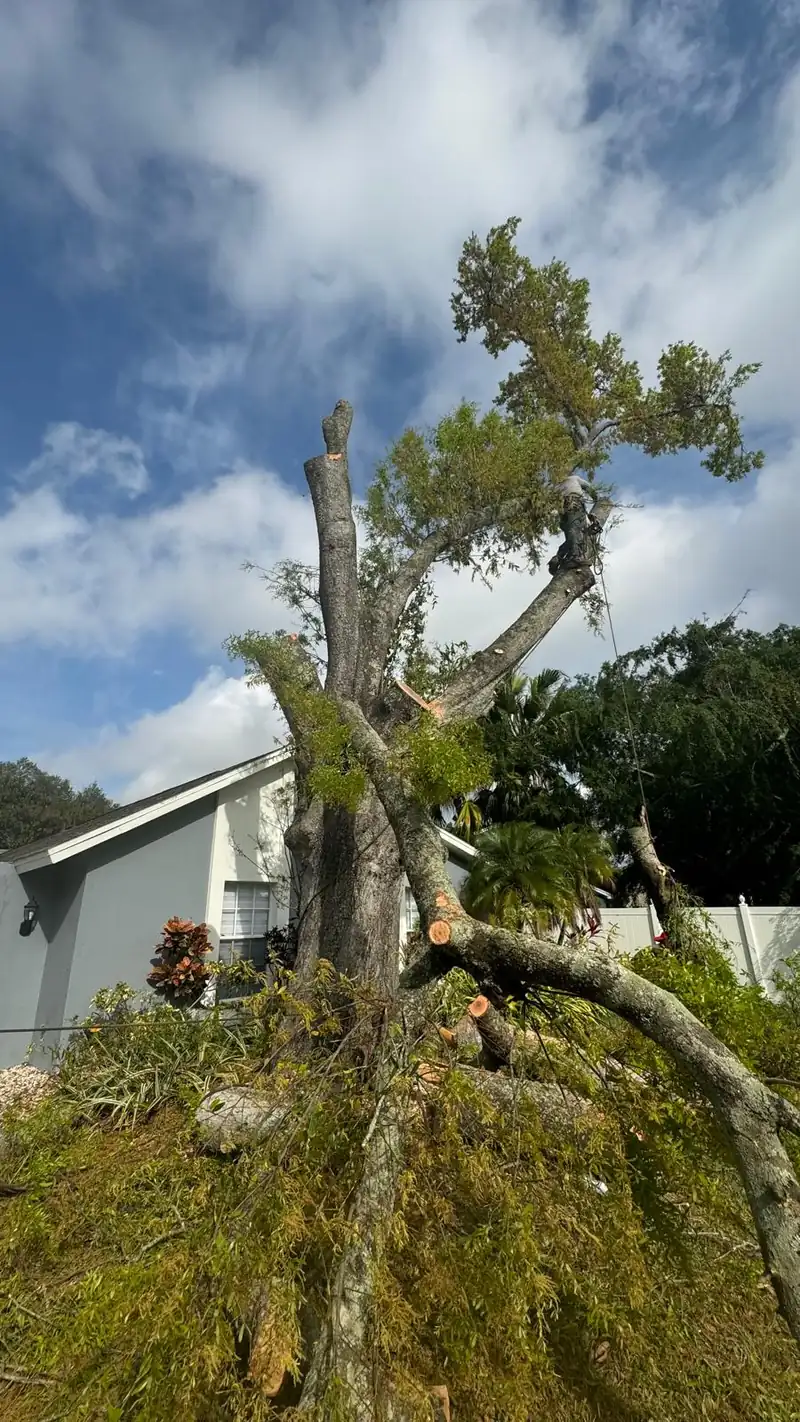
- Tree removal and trimming for coastal homes and established subdivisions such as Beacon Woods.
- Debris removal after storms, construction or years of piled limbs.
Dry Season Fire Risk on Wooded Lots
Late winter and spring are dry in west-central Florida, and a wooded Hudson parcel thick with palmetto, pine needles and dead brush can carry fire quickly. Homes tucked into those woods, especially on the rural east side, benefit from defensible space: a cleared buffer around the house, outbuildings and fence lines where fuel is kept low.
Our fire risk reduction work uses mulching and selective clearing to thin the understory, remove dead and leaning trees and break up continuous fuel, while keeping healthy oaks and pines for shade and privacy. It is also a good time to open up access so a fire truck could actually reach the house.
Hurricanes, Lightning and Storm Cleanup
Hudson faces the Gulf directly, so hurricane and tropical storm season brings both wind and surge risk to the coastal side of town. Inland, the bigger issue is pines and oaks coming down across driveways, fences and pastures. Summer lightning adds to it; a struck pine usually browns from the top and becomes brittle, and should come down before it breaks apart over a building.
Once the wind dies down, trees resting on houses, sheds and barns are our first priority; then we open driveways and access roads, and finally clean up and haul away the rest. On acreage, storm debris can often be mulched in place instead of piled, which saves trips and leaves the ground covered.
Areas We Cover and How to Get an Estimate
We work throughout Hudson, from the Gulf side neighborhoods and Hudson Beach to Bayonet Point, Beacon Woods and the rural roads off SR-52, Little Road and US-19 north toward the Hernando County line. We also regularly serve Port Richey to the south and Spring Hill just to the north.
Our home base is in Tampa, and Hudson sits well inside the 100-mile area we cover. The line is open every day from early morning into the evening, the crew can talk the job over with you in Spanish or English, and pricing a Hudson job costs you nothing. Drop us a message through the contact page with your address and what you have in mind, whether that is one tree or several wooded acres.